isa
 m
Instancia Saharaui Contra
la Ocupacion Marroqui
الهيئة الصحراوية لمناهضة الاحتلال المغربي

Press Release by the Sahrawi Organ Against the Moroccan Occupation (ISACOM) on developments regarding MINURSO and the future of international protection in Western Sahara
Press Release by the Sahrawi Organ Against the Moroccan Occupation (ISACOM) on developments regarding MINURSO and the future of international protection in Western Sahara
The Sahrawi Organ Against the Moroccan Occupation (ISACOM) expresses its profound concern and alarm over the recent developments at the United Nations Security Council concerning the future of the United Nations Mission for the Referendum in Western Sahara (MINURSO). The confrontation between proposals put forward by influential members of the Council ultimately resulted in the failure to adopt any of the draft resolutions submitted, the non-renewal of MINURSO’s mandate and the subsequent announcement that the Mission’s presence in Western Sahara would come to an end.
ISACOM considers these developments a source of serious concern regarding the future of the United Nations presence in the Territory and their potential direct impact on the situation of Sahrawi civilians and the exercise of their fundamental rights, particularly in light of the ongoing violations they endure under Moroccan occupation.
ISACOM considers that the US draft resolution, in the form that prompted serious objections within the Security Council, would, if adopted, have exposed the rights of the Sahrawi people to serious risks, particularly those of civilians and human rights defenders in the occupied part of Western Sahara. By weakening international safeguards underpinning the peaceful settlement process, the draft would have provided political cover for the perpetuation of the occupation and its associated practices.
Furthermore, the attempt to impose a political solution by predetermining the parameters of negotiations, without respecting the will of the Sahrawi people, would have undermined the very foundations of the UN-led peace process and eroded confidence in the United Nations’ role as an institution entrusted with upholding international law and legality, rather than endorsing solutions that undermine peoples’ right to self-determination.
Drawing on its first-hand monitoring of the human rights situation on the ground, ISACOM emphasises the importance that MINURSO’s continued presence had in the Territory, notwithstanding the fact that its mandate did not explicitly empower it to monitor or protect human rights. The Mission’s presence, and the international visibility and scrutiny it brought, served as a measure of dissuasion against certain serious violations and helped keep international attention focused on developments in the Territory. Bringing this presence to an end at this critical juncture risks further isolating Sahrawi civilians and severely undermining the ability to monitor, document and verify human rights violations, in a context already marked by restrictions on access to the Territory and the harassment of activists and foreign observers.
In view of these risks, ISACOM believes that urgent action by the United Nations is essential to address the existing human rights protection gap. This requires the establishment of an independent and effective international mechanism with a clear mandate to monitor the human rights situation in occupied Western Sahara, document and investigate violations, and issue regular reports on its findings. Its mandate should include monitoring the situation of Sahrawi political prisoners, their conditions of detention and the guarantees afforded to them throughout judicial proceedings, with a view to securing their release; establishing the fate of victims of enforced disappearance; and ensuring protection for human rights defenders, witnesses and victims against harassment, intimidation and reprisals.
ISACOM calls for full respect for international law and international humanitarian law and insists that those responsible for violations committed against Sahrawi civilians must not enjoy impunity. It further calls upon the United Nations to honour its legal responsibilities towards the question of Western Sahara and to act without delay to secure a peaceful, just and credible path enabling the Sahrawi people to exercise their right to self-determination freely and without coercion. ISACOM reaffirms that this right is inherent, inalienable and imprescriptible. It cannot be subjected to political bargaining or replaced by imposed solutions that do not reflect the free and genuine will of the Sahrawi people.
ISACOM also stresses that the United Nations must ensure that the Territory is opened to international observers, journalists and human rights organisations, allowing them unrestricted access to the occupied areas and the opportunity to meet victims and their families. This is essential to ending the isolation and information blackout imposed on the Territory. ISACOM also calls for an end to the plunder and exploitation of Western Sahara’s natural resources without the consent of the Sahrawi people and in disregard of their right to determine how those resources are used and disposed of.
ISACOM reaffirms its commitment to continuing to monitor and document human rights violations, advocate for victims and work in cooperation with international human rights organisations and all bodies committed to defending human dignity and fundamental freedoms. ISACOM stresses that any change in the nature of the United Nations presence or in the arrangements for liquidation of MINURSO must not leave Sahrawi civilians without protection or international scrutiny. Nor must it become a pretext for evading international responsibility for completing the decolonisation of Western Sahara.
Executive Bureau of the Sahrawi Organ Against the Moroccan Occupation (ISACOM)
Occupied El Aaiún / Sahrawi Arab Democratic Republic
3 November 2026
آخر الإضافات
مواضيع ذات صلة
-
 بيان تنديدي بمنع السلطات المغربية المناضل عبد الرحمان الشرقي من الحصول على جواز السفر .
- The Sahrawi Instance Against Moroccan Occupation (ISACOM) commemorates the 55th anniversary of the historic Zemla INTIFADA, a decisive turning point in the history of the Sahrawi people’s struggle for emancipation and independence.
-
 تدخل عنيف لقوات الاحتلال ضد وقفة سلمية بمدينة العيون المحتلة يوم 31 اكتوبر 2021
-
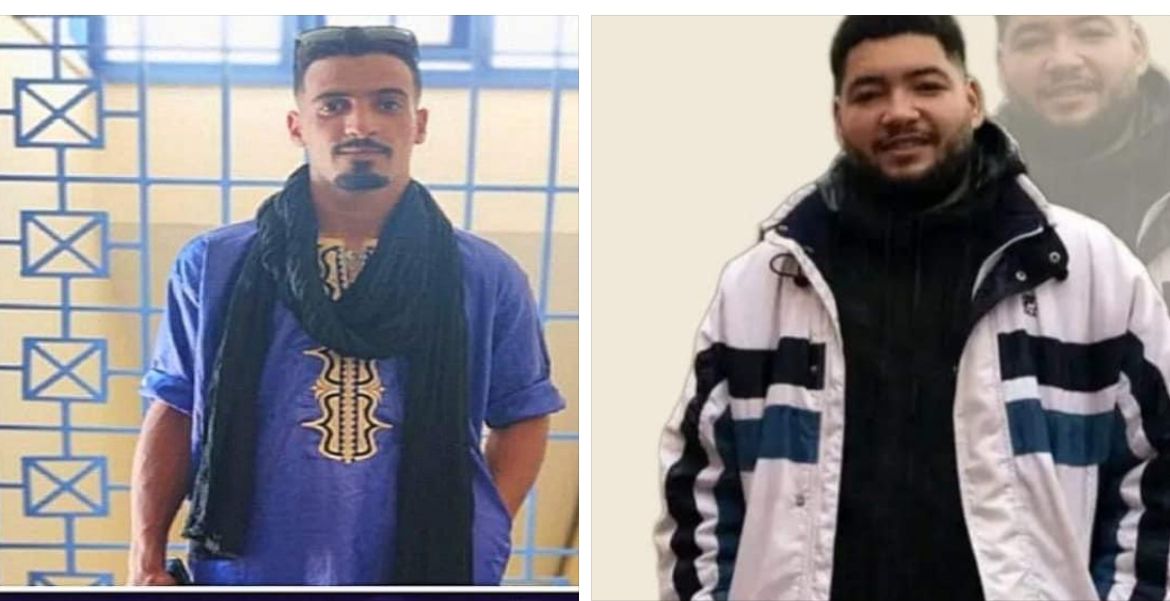
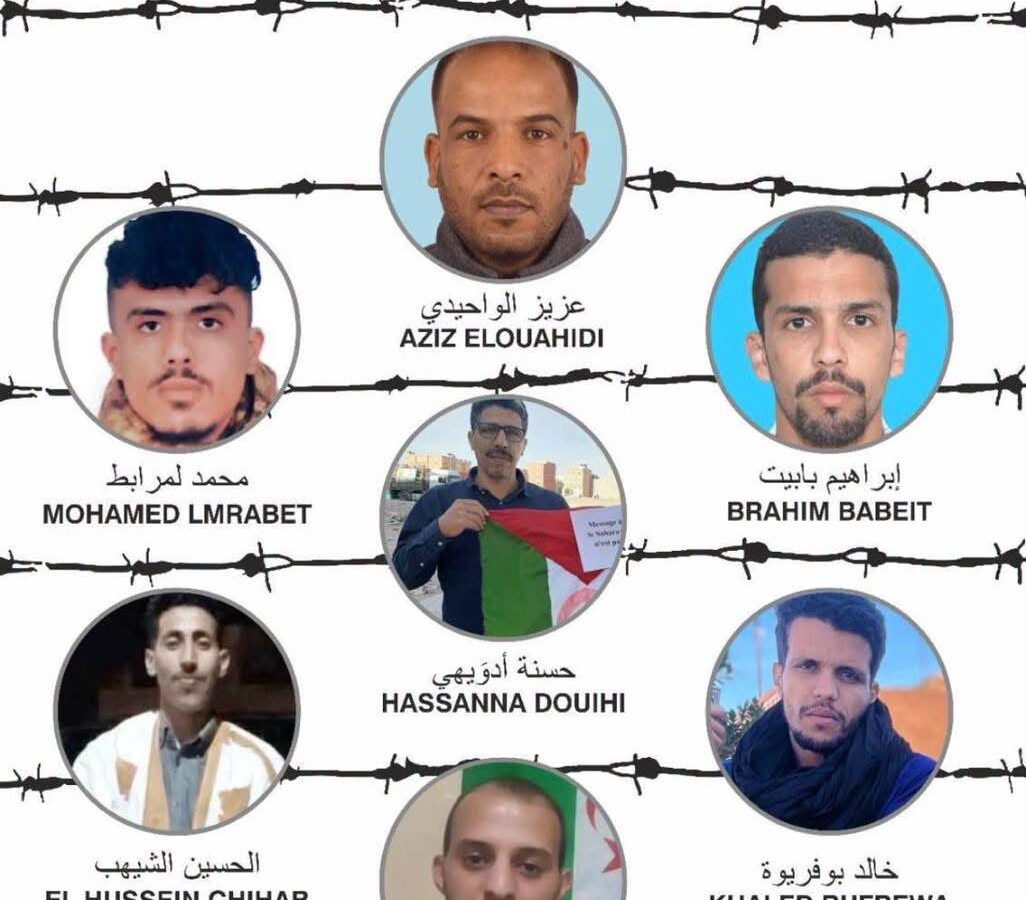
 تتابع الهيئة الصحراوية لمناهضة الاحتلال المغربي” isacom “، بقلق شديد ما يتعرض له المعتقلون السياسيون الصحراويون بسجون الاحتلال